
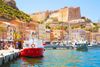
10 Mistakes People Make When Visiting Corsica
What Not to Do in Corsica on Your 1st Visit
The mistakes people make when visiting Corsica mostly revolve around planning for the trip and potentially missing out on a few top highlights. Even though Corsica is an island, it’s quite vast and offers plenty of things to see. If you plan a short trip, you’ll be missing out on a lot.
Here, we share with you some of the most common things to avoid if you have Corsica and its beautiful sandy beaches on your mind. Read on and find out how you can help make your upcoming trip enjoyable and hassle-free.
10 mistakes people make when visiting Corsica
- Planning a short stay
- Staying only in one spot
- Relying only on public transportation
- Forgetting the map
- Not exploring the small Corsican villages
- Missing the local markets
- Being unaware of siesta shop hours
- Missing out on the heritage sites
- Packing improperly for the weather
- Underestimating the GR20 hiking trail
1. Planning a short stay
Two nights is hardly enough to see the best of Corsica

Categoría: De aventura, Parejas, Familias
With a coastline stretching for 1,046 km and over 200 gorgeous beaches, Corsica is the fourth-largest island in the Mediterranean, so planning a short stay hardly seems enough. A short visit wouldn’t grant you enough time to see the many highlights of the 8,700-sq-km island as they’re situated far and wide.
Devote at least one week to cover everything, from the beaches of Rondinara and Palombaggia to charming towns such as Porto-Vecchio and Bonifacio. Don’t miss exploring Corsica’s rugged and mountainous interior on famously scenic hiking trails.

Planning a short stay
2. Staying only in one spot
Making the most of your island exploration
Categoría: De aventura, Historia, Foto
Instead of just staying only in one spot, you might want to include other places on your itinerary. With Corsica’s great geographical variety comes plenty of options for where to stay and fully experience the island’s different offerings.
There’s Porto-Vecchio with its south-coast scenery, but you might also want to consider booking Ajaccio on the west coast to take in some of the island’s history and learn about Napoleon’s birthplace. If you’re a wine lover, head to Bastia on the far north of Corsica for a sip of its fine and aromatic Cap Corse.
Staying only in one spot
También te recomendamos consultar
3. Relying only on public transportation
It’s close to non-existent
Categoría: De aventura, Foto
Relying only on public transportation in Corsica can be impractical. Buses are the main form of public transportation and they mostly serve the larger towns with irregular schedules. The Trinicellu (little train) narrow gauge railroad system conveniently stretches across the island from Calvi in the northwest to Bastia in the northeast and Ajaccio in the south.
Renting a car remains the most convenient way of discovering more of the island. Drive on the right-hand side, always wear your seatbelt, and bring all proper documentation while traveling. There are miles of scenic routes, some with steep, hairpin bends. Try the Bastia–Bonifacio stretch between the Route Territoriale 11 (T11) road for a long, straight, and scenic journey.
Relying only on public transportation
4. Forgetting the map
Road signs are bilingual, but in French and Corsican
Categoría: De aventura, Foto
Don’t forget the map when exploring Corsica on four wheels. The road signs all over the island are in French and local Corsican, although sometimes the French half is spray-painted by vandals.
Map apps may prove useful only if your smartphone has a good internet connection when you travel to rural neighborhoods. Also, note that your car rental’s GPS may lead you through the more winding and hilly roads instead of along the straight and scenic coastal Route Territoriale roads.
Forgetting the map
5. Not exploring the small Corsican villages
Quaint countryside and gorgeous beachfronts with lively towns to discover
Categoría: De aventura, Historia, Foto
Travel outside the comfort of your resort in Ajaccio or Bastia to discover the charming small towns and villages around Corsica. On the coast, the small harbor town of Centuri is a good start as it’s among the most picturesque villages on the island with a seascape of pebbled beaches and tiny islands on its crystal-blue bay. Algajola is home to a 16th-century fort on the waterfront with long, sandy beaches.
Venzolasca offers hilltop views and historic highlights. Soveria has a mountainous landscape dotted by quaint homes and buildings. One that’s unique is Cargese, which is a Corsican town that has a distinctly Greek feel to it. Explore these charming villages, each with its distinctive character, scenery, and local culture.
Not exploring the small Corsican villages
6. Missing the local markets
Great bargains, local goods, and cultural encounters await
Categoría: Parejas, Familias, Gastronomía en
Visiting Corsica’s traditional farmers’ markets is a great way to experience local life. Try some homemade honey or fine local wines and buy some for the kitchen or folks back home.
A good start is in the commune of L’Ile Rousse, with its covered morning marketplace that hosts various stalls. You can find just about everything, from fresh bounties from the Mediterranean Sea to local charcuteries and locally harvested fruits. If you’re on the hunt for Corsican specialties, explore Ajaccio’s and Bastia’s daily fresh markets.
Missing the local markets
7. Being unaware of siesta shop hours
Good to know for shoppers
Categoría: Parejas, Familias, Ir de compras
If you’re unaware of Corsica’s siesta tradition, you might find yourself surprised by the adjusted shop hours. The island’s Mediterranean climate shapes the Corsican lifestyle, fostering a rhythm that includes afternoon rest to escape the heat, allowing residents to recharge and maintain productivity throughout the day.
Shops and most businesses close from noon to 4 pm, then reopen from 4 or 5 pm until as late as 11 pm. Arrange your shopping trips accordingly, so you won’t find yourself staring at closed doors.
Being unaware of siesta shop hours
8. Missing out on the heritage sites
Sights and experiences of a lifetime
Categoría: De aventura, Historia, Foto
Missing out on Corsica’s superb natural landscapes and collection of heritage sites is simply not to be missed on your visit to the island.
A standout is the UNESCO-listed Gulf of Porto with its breathtaking granite cliffs and colorful pebble beaches. The striking red granite cliffs of Calanques de Piana are also a sight to behold. The hamlet on the Gulf of Girolata is overlooked by a Genoese fort; you’d have to get there by boat. Explore the gulf, which forms part of the west coast Scandola Nature Reserve within the Corsica Regional Park.
Missing out on the heritage sites
9. Packing improperly for the weather
Packing smart is the key to enjoying Corsica’s diverse climate
Categoría: Parejas, Familias
Packing improperly for the weather can turn your dream vacation into a series of uncomfortable days. From January to March, it can get chilly in Corsica with occasional rain. It’s best to include warm clothes in your baggage, such as long sleeves and a fleece jacket. It gets fairer in April and balmier in May, so you may want to pack lighter clothes.
June starts to get warm in Corsica. Besides packing light and breathable clothes, you may also want to bring sunscreen. July and August are generally the hottest months on the island. Temperatures start to go down again in October. Be sure to plan your wardrobe based on the seasonal weather to fully enjoy your visit.
Packing improperly for the weather
10. Underestimating the GR20 hiking trail
It’s among the world’s toughest trails
Categoría: De aventura, Foto
Corsica captivates hikers and adventure enthusiasts with its stunning mountain trails, yet some may underestimate the challenging nature of the GR20 hiking trail. This trail is often labeled as “Europe’s toughest hiking trail” and some may call it one of the hardest long-distance trails in the world.
Even so, you can get a taste of the GR20 as a beginner, particularly on the easier parts of the route that are easy to walk and without many technical aspects involved. One thing for sure is you must be physically fit and have the proper gear and preparations. And don’t hike in rainy weather when it can get treacherous.
Underestimating the GR20 hiking trail

Este artículo incluye opiniones del equipo editorial de Go Guides. Hoteles.com compensa a sus autores por los artículos que se muestran en el sitio. La compensación puede incluir costos de viaje y otros costos.